
5 Signs of Authentic Handloom Every Buyer Should Know

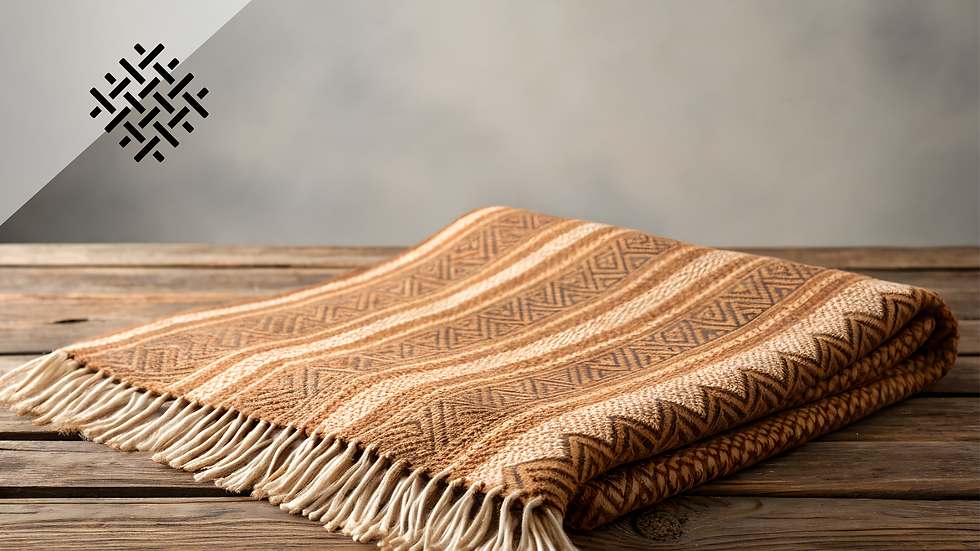
Handloom is not just fabric — it’s a living heritage. Each thread holds the rhythm of a weaver’s hand, the pause of breath, the memory of generations. But in today’s market, machine-made imitations often pass as handloom, leaving buyers unsure of what they’re really holding.
So how do you know if it’s the real thing?
1. Look for the Human Touch
Handloom always carries slight irregularities — a thicker yarn here, a tiny knot there. These are not flaws; they are the maker’s signature. Powerloom fabric, in contrast, looks mechanically flawless, but soulless.
2. Turn It Over
Flip the fabric. The reverse of a handloom weave reveals tiny thread floats and loose ends. A powerloom copy? Both sides look eerily identical.
3. Feel It Breathe
Drape it across your hand. Handloom feels soft, airy, and alive; its threads shift with natural ease. Powerloom often feels flat, rigid, lifeless.
4. Trust the GI Tag
India protects its most treasured textiles with Geographical Indication (GI) tags — like Banarasi, Kanjeevaram, or Kashmiri Pashmina. A GI tag certifies origin, technique, and authenticity. Ask for it. It’s your proof.
5. Ask the Story
True handloom comes with a story: who made it, where, and how. Cooperatives and artisan clusters can trace each piece to its source. Mass-produced textiles can’t.
Why It Matters
Choosing authentic handloom isn’t just about owning beautiful fabric. It’s about preserving centuries-old traditions, sustaining livelihoods, and keeping alive the soul of India’s craft.
At Isha Udyog, every textile we curate is ethically sourced, quality-checked, and, wherever possible, GI-certified — so what you hold is not just fabric, but truth

Comments