
Pashmina: The Thread That Touched the Sky

Updated: Aug 1, 2025
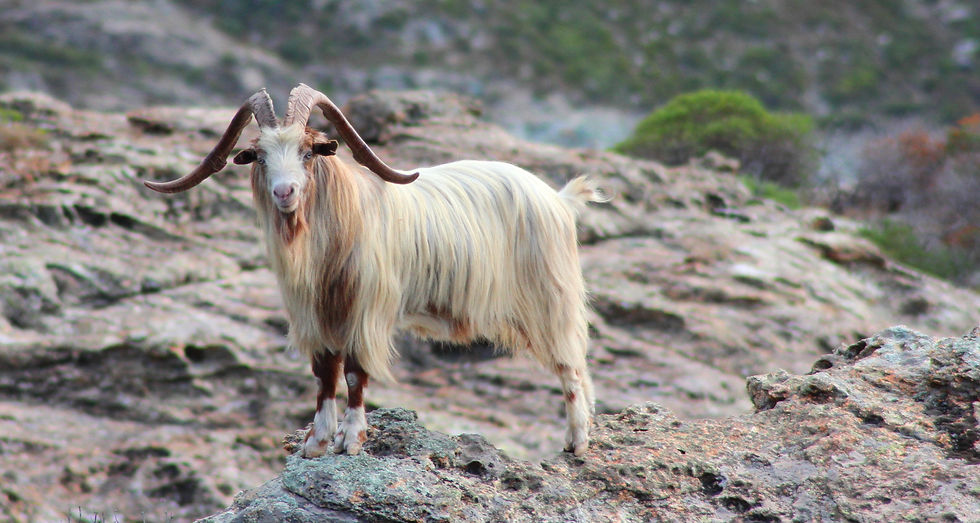
For centuries, Pashmina has whispered stories from the roof of the world. Spun from the undercoat of Changthangi goats that survive the icy winds of Ladakh, this fabric isn’t just soft — it’s sacred.
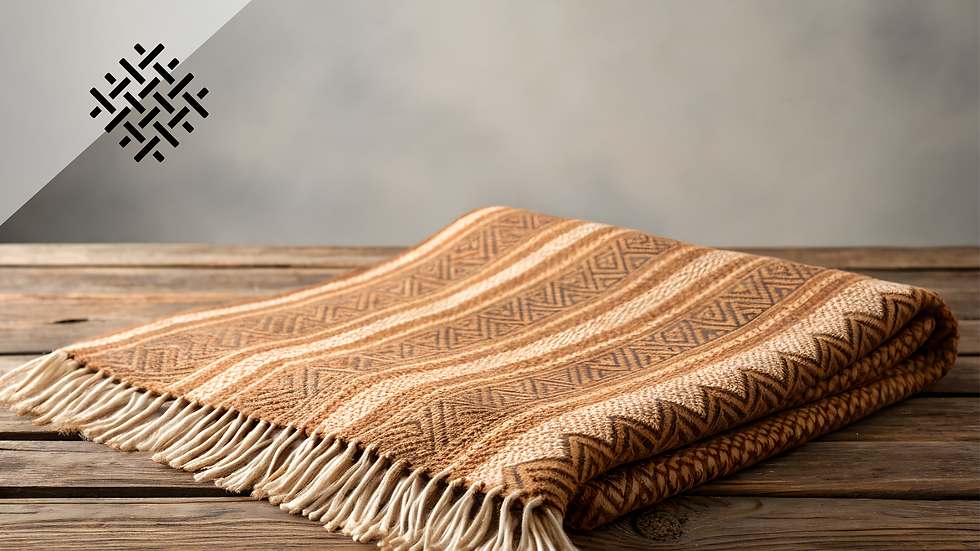
What makes authentic Pashmina different from ordinary wool or cashmere? It’s lighter than air, warmer than love, and entirely handcrafted. From combing and spinning to weaving and finishing, each step is done by hand — often by women in remote Himalayan villages, preserving skills passed down for generations.
While mass-produced “pashminas” flood markets worldwide, true Pashmina remains rare. It takes at least 200 hours to create a single shawl. No two are alike.
Today, this ancient Himalayan textile is being rediscovered by global designers and conscious consumers seeking beauty with meaning. At Isha Udyog, we work directly with artisan clusters in Ladakh to bring you ethically sourced, GI-certified Pashmina — as pure as the land it comes from.
Here is a comparison between Pashmina and Cashmere to help you understand the differences better.
All Pashmina is Cashmere, but not all Cashmere is Pashmina.
🔍 The Key Differences
Feature | Pashmina | Cashmere |
Origin | Only from Changthangi goats in Ladakh (India) | Usually from goats in Mongolia, China, Nepal, Iran |
Fiber Thickness | 12–15 microns (ultra-fine) | 15–19 microns (slightly thicker) |
Processing | Entirely hand-spun and handwoven | Often machine-spun and power-loomed |
Softness & Warmth | Extremely soft, warmer due to high loft | Also soft and warm, but varies by grade |
Geographical Indication (GI) | GI-tagged as “Pashmina from Kashmir” | No GI unless region-specified |
Comments